



Virtual test set-up
DIC systems

FE-based Digital Image Correlation
Reality-inspired simulations

Simulation
correlation
The only DIC systems built to work natively with your FE mesh.
EikoCam systems are pre-configured, pre-integrated with EikoTwin DIC, and ready to measure on your finite element mesh from day one. No recalibration. No point cloud conversion. No wasted engineering hours.
Not yet equipped with cameras for DIC, or need to upgrade your system? Designed to ensure a quick start with image correlation, the packages are easy to manage, saving time during installation and testing. Our systems are fully integrated with our DIC software, so that you only have to concentrate on processing images.
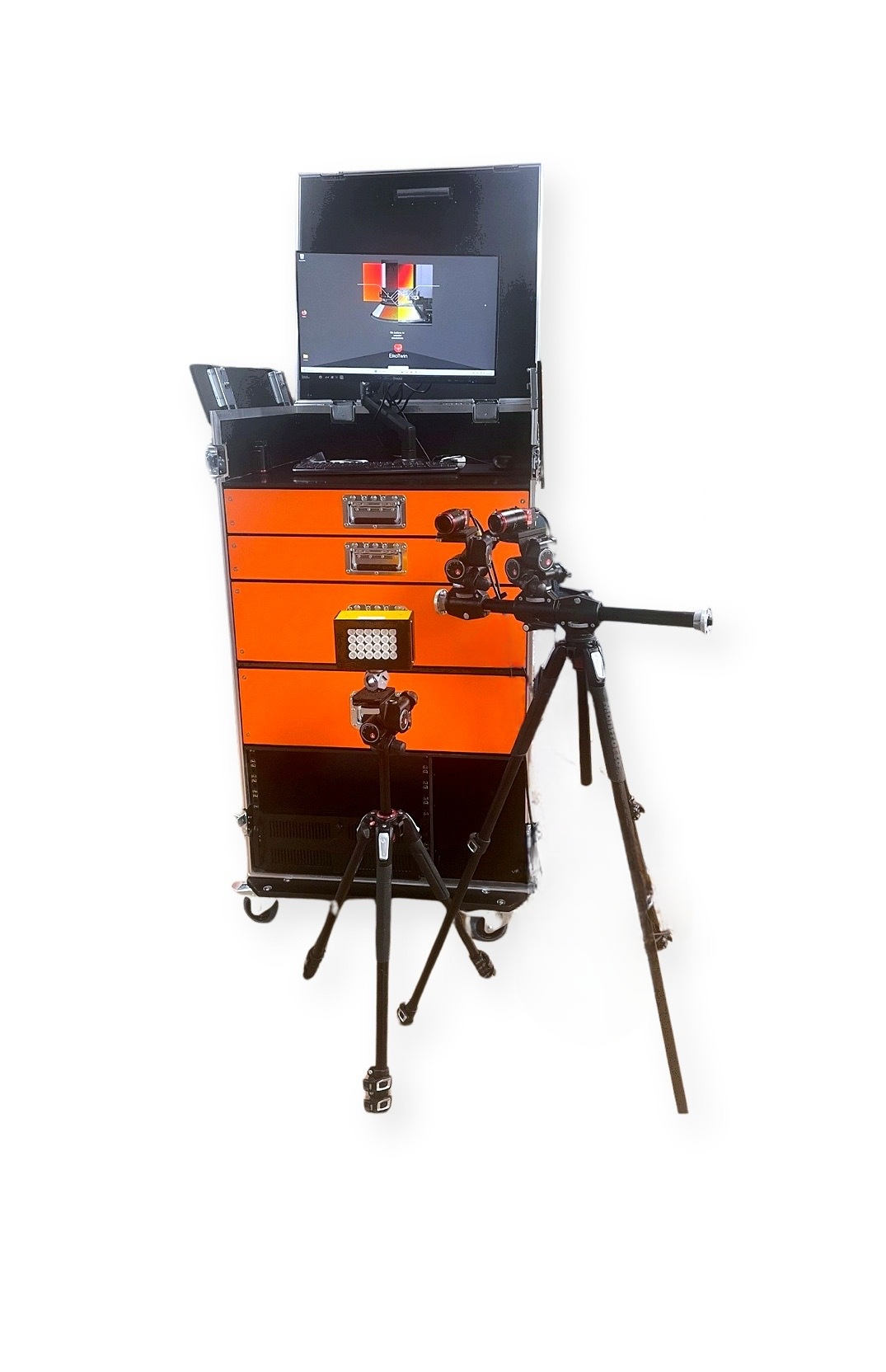
Not just cameras. A measurement system that speaks simulation.
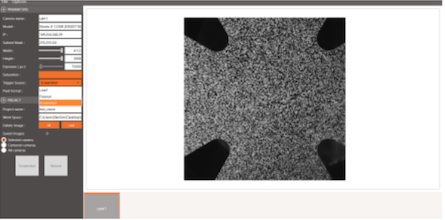
Native EikoTwin integration:
Most DIC systems deliver a point cloud that must be manually aligned with your simulation — introducing interpolation errors and wasting engineering time.
EikoCam systems calibrate directly on your FE mesh geometry. From the first image, displacement and strain fields are expressed at your model's nodes, in the same coordinate system. Test-simulation comparison is immediate.
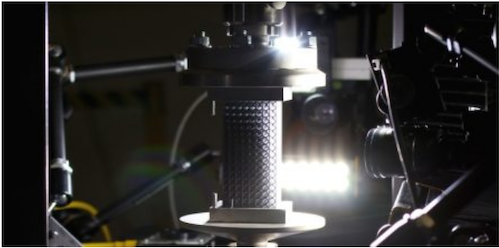
Versatile Across Applications:
From quasi-static coupon testing to high-speed structural events, EikoCam packages are sized around real use cases — not worst-case specs. Whether you're running a material characterization campaign or validating a crash model, you'll find a configuration that fits your test environment without paying for performance you'll never use.
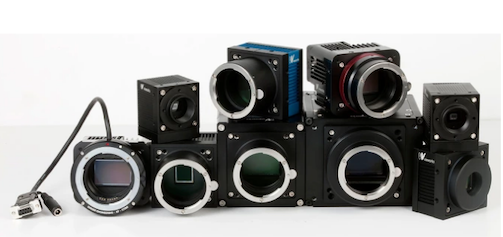
Scalable for the Future:
Start with a 2-camera stereo setup and expand as your projects grow. EikoCam's modular architecture lets you add cameras, cover larger surfaces, or tackle multi-zone measurements — without replacing your existing hardware. Your investment in software and calibration carries over as the system scales.
Find the system that fits your test.
The right DIC system depends on what you're measuring, how fast it moves, and how much surface you need to cover. Here's our three standard configurations for the most common structural testing scenarios.
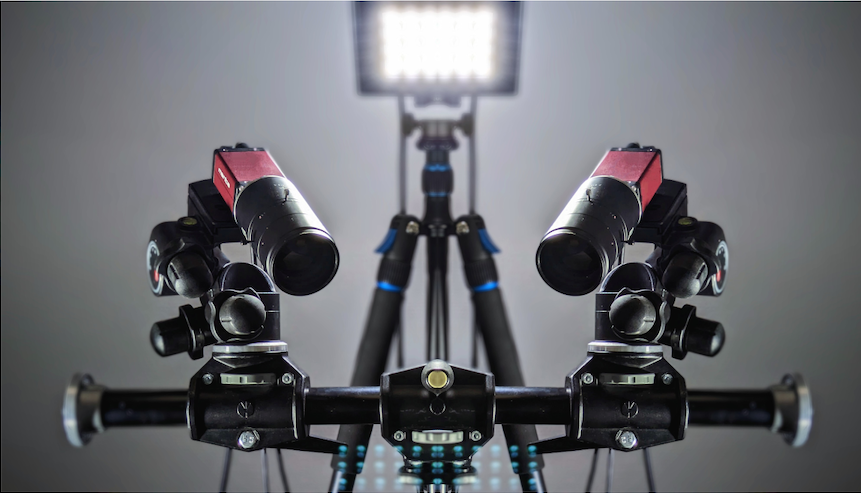
| EikoCam 3D-A2 system | EikoCam 3D-B2 system | EikoCam 3D-V2 system | |
|---|---|---|---|
| Camera resolution | Until 24,6 MPx (5328 x 4608) | Until 26,2 MPx (5120 x 5120) | Until 2 MPx (1936 x 1216) |
| Acquisition frequency | 17Hz full-frame, until 50Hz @1Mp | 80Hz full-frame, until 360Hz @5Mp | 175Hz full-frame, until 300Hz @1Mp |
| Use case | Standard material testing, quasi-static structural validation, crack propagation... | Low speed impact | Vibration analysis, faster material testing |
Unsure about your needs? Try our configurator to determine your ideal setup:
Starting from scratch? We have an entry point for that.
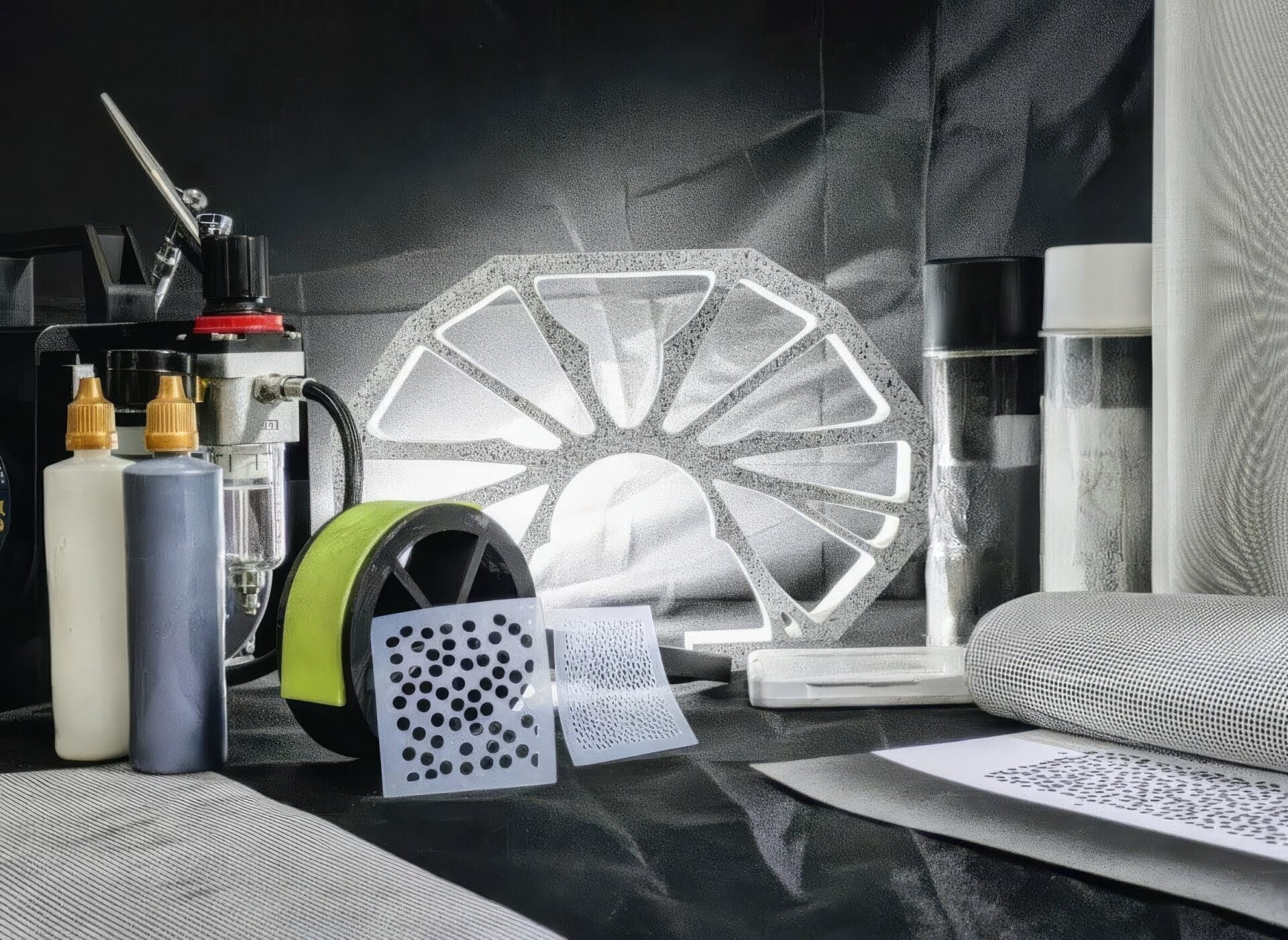
Not every DIC project starts with a full industrial budget. Our starter kit is designed for labs, universities, and R&D teams running their first DIC campaigns — or exploring EikoTwin DIC before committing to a full system.
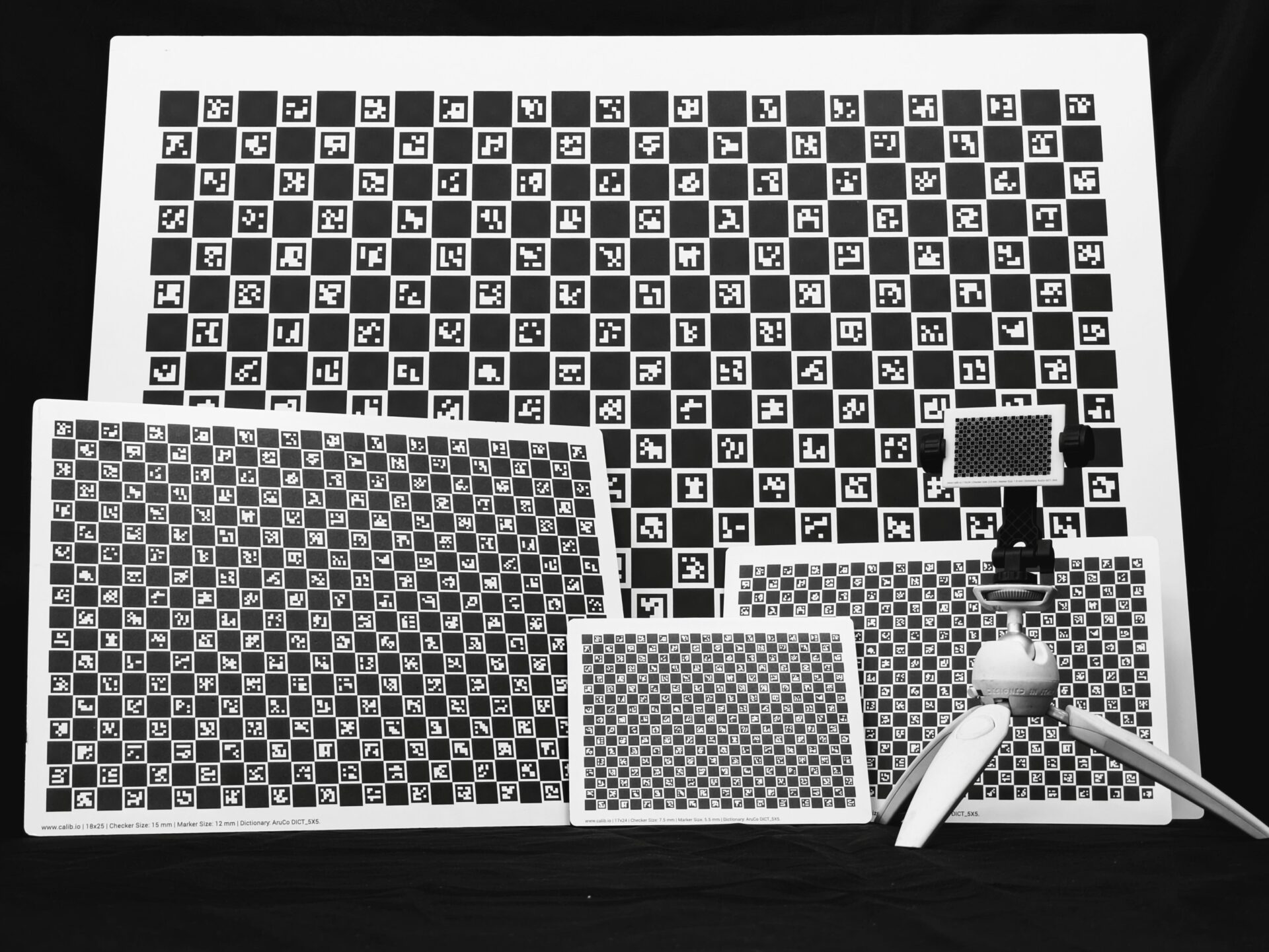
The kit connects to your existing PC and includes everything needed to run a first measurement in a day: cameras, calibration target, speckle patterning kit, and a full EikoTwin DIC license. It's designed for simple use cases like tensile testing and coupon-level material characterization — a fast, low-risk way to validate the technology before scaling up.
What's included:
- 2-camera stereo setup sized for coupon testing
- ChArUco calibration target
- Speckle patterning kit
- EikoTwin DIC software license
- Setup and onboarding support from EikoSim
Seen in action at ArianeGroup
Qualifying the Galileo Dispenser for Ariane 6 meant running DIC on a structure close to 3m × 2m × 2m, across multiple zones of interest simultaneously, with schedules that left no room for on-site improvisation. An 6-camera EikoCam setup was deployed — but the real challenge was making sure every camera position, field of view, and speckle specification was validated before the test day.
The full-field strain data was then compared directly against the FE simulation results on the mesh, confirming that strain localizations were correctly predicted and that structural integrity criteria were met across all load cases.
Applications and tutorials
Measurement robustness and the use of “automatic meshing”: focus on synchronized calibration for DIC
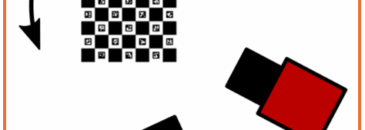
Continuing our series of articles on best practices in Digital Image Correlation (DIC), today we present calibration using synchronized target images (with or without mesh alignment), a new procedure that enables the simultaneous determination of intrinsic and extrinsic camera parameters. This procedure complements the hybrid approach already available in EikoTwin DIC, which remains relevant when…
What are good Digital Image Correlation test practices?
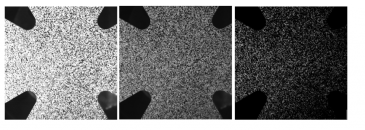
Importance of a good implementation of digital image correlation tests When performing a test by using Digital Image Correlation (DIC), many parameters must be taken into account: brightness, speckle pattern, camera placement. All these steps are essential to achieve the best possible images, in order to get the maximum information from them. Indeed, neglecting one…

98-100 AVENUE ARISTIDE BRIAND
92120 MONTROUGE
FRANCE